
摘要:币安官方网站平台为您提供7x24小时区块链资讯实时更新。从市场分析到生态发展,一手掌握。通过官方币安app下载,深度连接Web3世界,与全球领先的区块链生态系统同行。
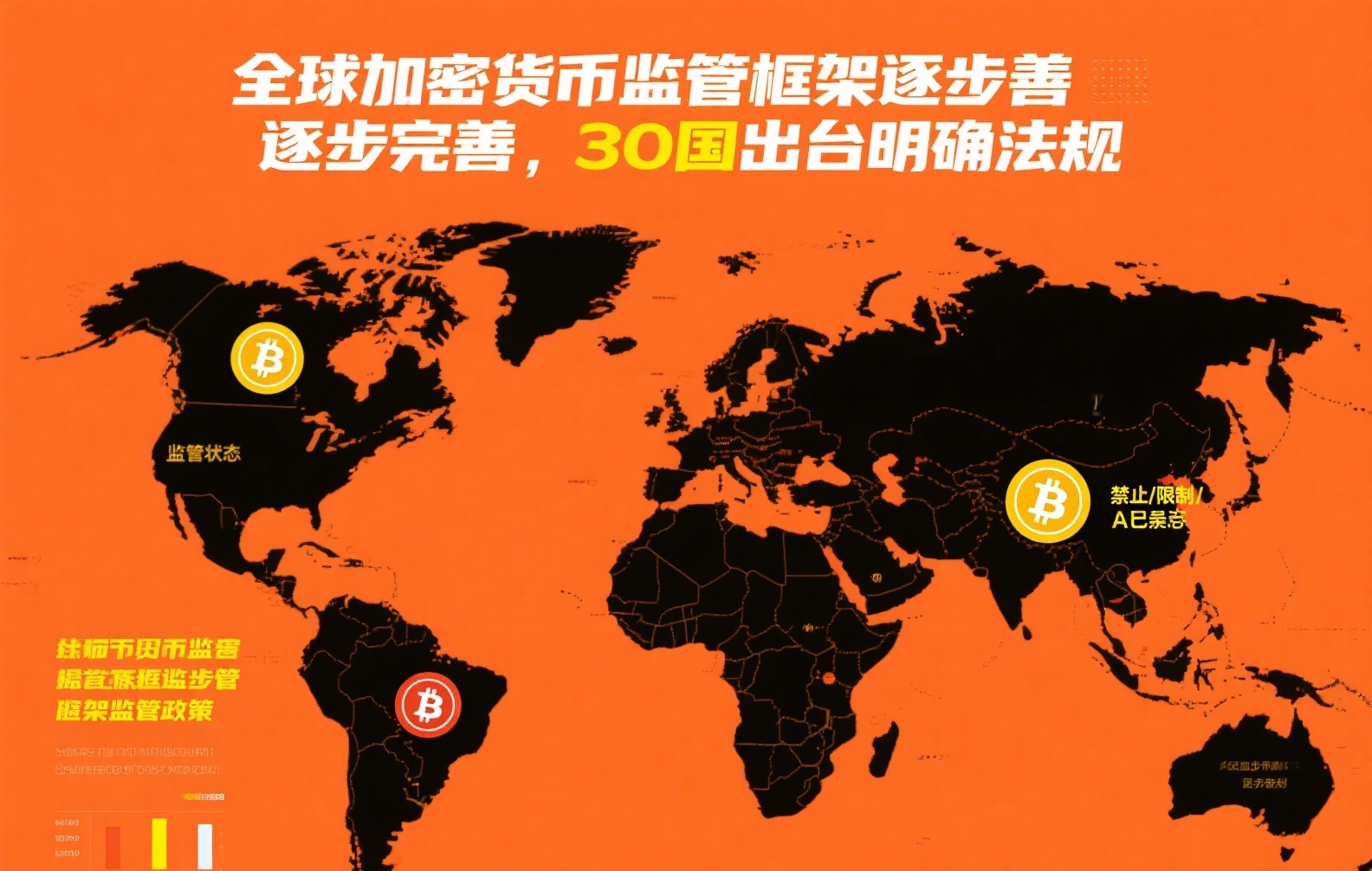
The recent news that USDC is now listed on NASDAQ marks a significant milestone in the ongoing convergence of digital assets and traditional financial markets. While USDC (USD Coin) has long been a cornerstone of the cryptocurrency ecosystem as a regulated stablecoin, its presence on one of the world’s largest stock exchanges signals a new level of institutional acceptance and liquidity for blockchain-based assets.
To understand the impact, it is crucial to differentiate between the asset itself and the vehicle being listed. USDC, issued by Circle, is a stablecoin pegged 1:1 to the U.S. dollar. It operates natively on blockchain networks like Ethereum, Solana, and Algorand. What is listed on NASDAQ is not the token directly, but rather a financial product or investment vehicle tied to USDC—such as an exchange-traded product (ETP), a fund, or a security that provides exposure to the stablecoin. This listing allows traditional investors to gain exposure to USDC through their standard brokerage accounts, bypassing the need for crypto wallets or decentralized exchanges.
For the broader financial ecosystem, the NASDAQ listing of a USDC-linked product represents a bridge between two worlds. Historically, stablecoins have been used primarily by crypto traders for trading, lending, and decentralized finance (DeFi) activities. By entering the NASDAQ, USDC becomes accessible to institutional investors, pension funds, and retail investors who are accustomed to regulated, transparent, and liquid markets. This could dramatically increase demand for USDC, as it now competes not just with other stablecoins, but also with money market funds and short-duration Treasury instruments.
From a regulatory perspective, this move also strengthens the case for stablecoins as legitimate financial instruments. NASDAQ’s stringent listing standards require robust compliance, auditing, and transparency. For USDC to be featured on such a platform, Circle and its partners must meet high reporting standards regarding reserves, custody, and operational risk. This provides a layer of trust that is often missing in the unregulated corners of the crypto market. Investors can now rely on the same due diligence processes they use for stocks and bonds when assessing the stability of USDC.
Another important angle is the potential impact on the cryptocurrency market itself. If USDC-backed products on NASDAQ attract significant capital, this could create a feedback loop: more institutional demand for USDC means more liquidity in the broader crypto ecosystem. Since USDC is a primary trading pair on major exchanges, its increased adoption could reduce volatility and improve the efficiency of crypto markets. Additionally, it could encourage other stablecoin issuers to pursue similar listings, accelerating the institutionalization of digital dollars.
However, there are risks. The listing does not eliminate the inherent risks of stablecoins, such as regulatory crackdowns, reserve mismanagement, or technology failures. If a USDC-linked product on NASDAQ were to face a de-pegging event or a run on reserves, it could trigger a broader market panic, affecting both traditional and crypto investors. Moreover, the listing might attract increased scrutiny from securities regulators, potentially leading to new rules that could reshape how stablecoins operate.
In conclusion, the USDC listing on NASDAQ is more than just a headline—it is a strategic evolution that embeds stablecoins deeper into the fabric of global finance. For investors, it offers a regulated, familiar entry point into digital dollars. For the crypto industry, it validates the concept of stablecoins as a legitimate asset class. For the future, it sets a precedent that could lead to more tokenized assets, ETFs, and funds being listed on traditional exchanges. As the lines between crypto and traditional finance continue to blur, the NASDAQ listing of USDC will be remembered as a pivotal moment when digital money truly went mainstream.